IndiaIndian Lens
Expiry-Date Tampering Hits Lay's, Maggi, Thums Up in Mumbai Racket
Maharashtra FDA and Mumbai Police seize stock with altered shelf-life labels from India's most recognisable packaged-food brands.
 IndiaWorldEye
Maharashtra FDA and Mumbai Police seize stock with altered shelf-life labels from India's most recognisable packaged-food brands.
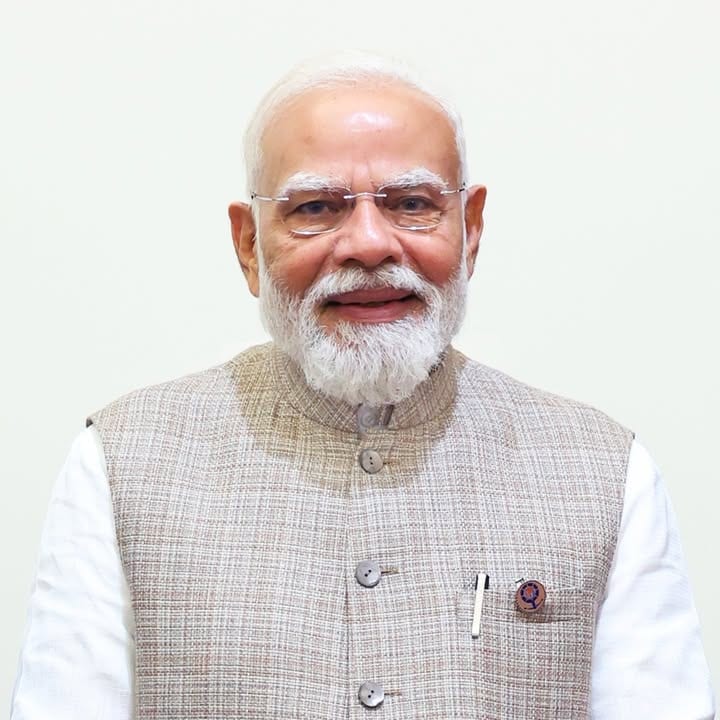
Prime Minister Narendra Modi received Uzbekistan's highest state honour from President Shavkat Mirziyoyev, and AIMIM president Asaduddin Owaisi used the moment to question the BJP-RSS narrative around Mughal emperor Babur. The jibe, rooted in the Ayodhya dispute, turns a diplomatic gesture into a domestic political contest over historical memory.
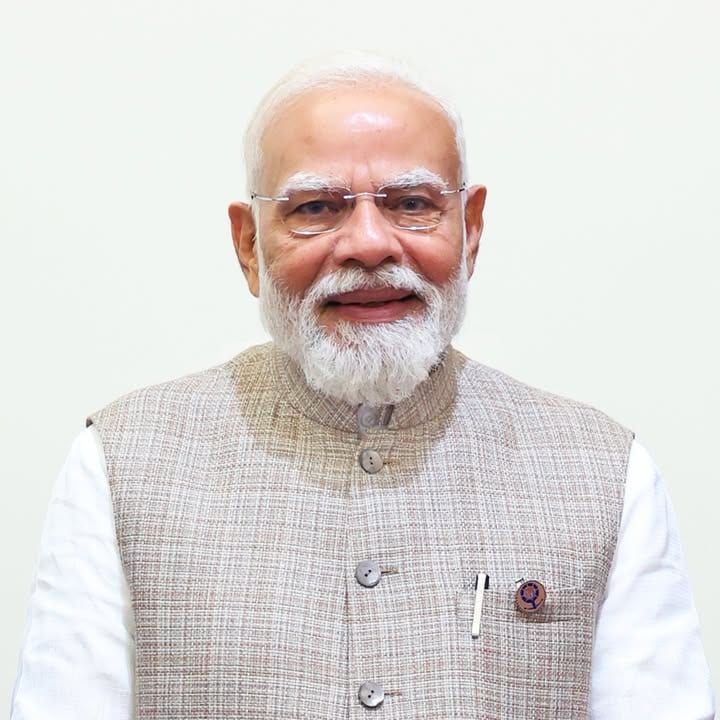
Prime Minister Modi met Iranian President Masoud Pezeshkian on the sidelines of the SCO summit in Bishkek. The Iranian readout urged India to use its contacts to steer parties toward dialogue, while New Delhi's public response remained brief. The meeting marks the first bilateral contact since the US-Iran war and revives India's role as a quiet channel between Washington and Tehran.
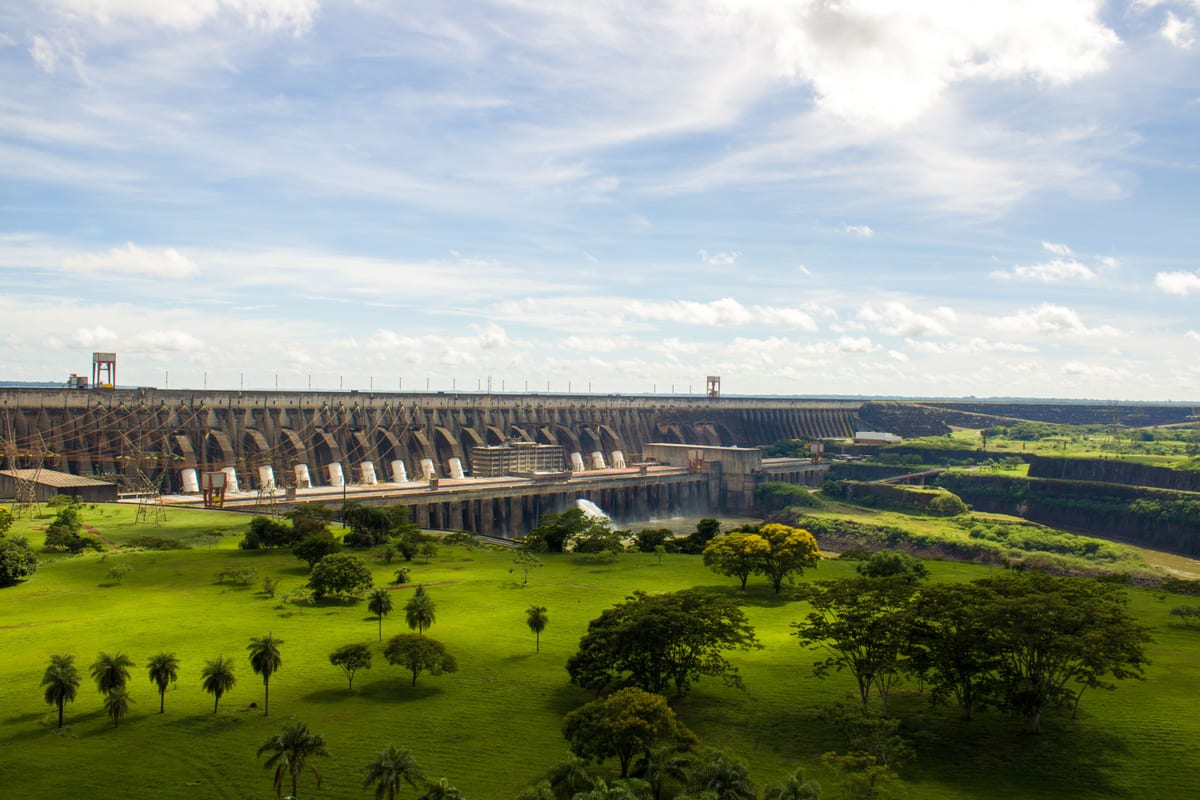
India has refused to recognise a Hague tribunal's ruling on the Indus Waters Treaty, asserting the body never had jurisdiction. The government says the treaty's graded dispute-resolution route, centred on a neutral expert, should govern technical differences. The episode sharpens the contest between third-party adjudication and India's insistence on bilateralism in South Asian water disputes.
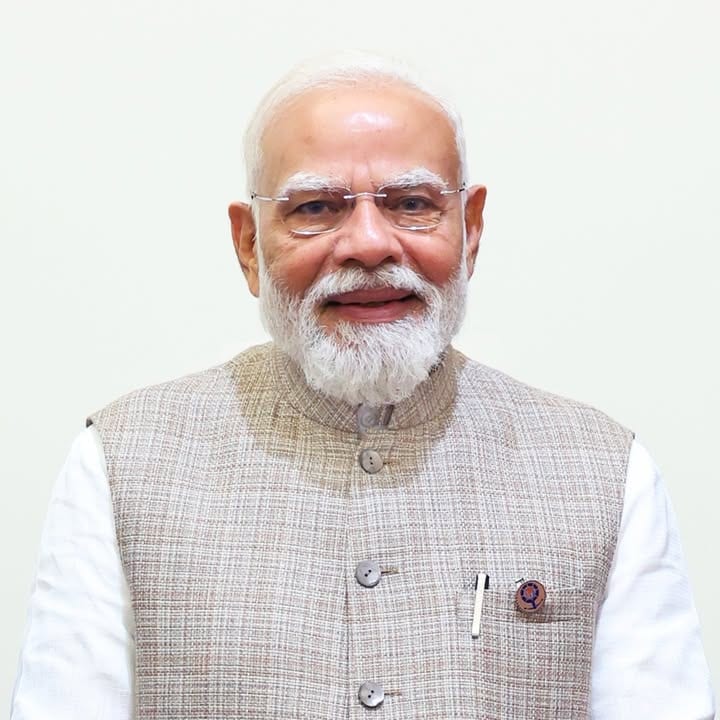
India's economy grew 7.8% in April-June 2026, up from 6.9% a year earlier, driven by financial, real estate, IT and professional services. The prime minister called the number 'exemplary' and dismissed doomsayers as 'doomed'. The challenge is converting a services-led upswing into broad-based jobs.
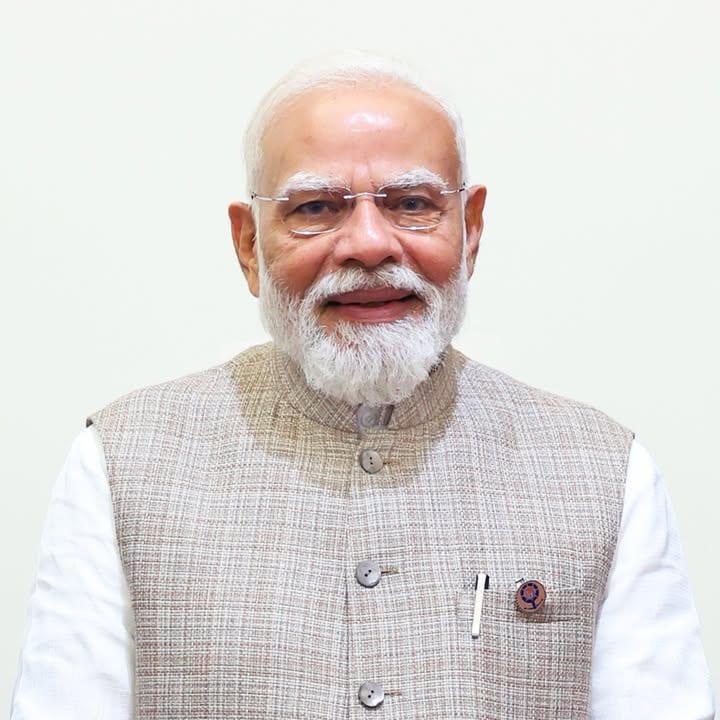
Prime Minister Narendra Modi and Iranian President Masoud Pezeshkian met on the sidelines of the SCO summit in Bishkek, their first face-to-face since the US-Iran war began. The conversation resumed a channel centred on regional stability, Chabahar, and the security of the Strait of Hormuz.
The National Board of Examinations in Medical Sciences has constituted a three-member committee to examine the power failure that disrupted NEET-PG 2026 at Jaipur centres on August 30. The board has separately scheduled a re-examination for 2,445 affected candidates on September 5. The inquiry will determine the causes of the outage and assign accountability.
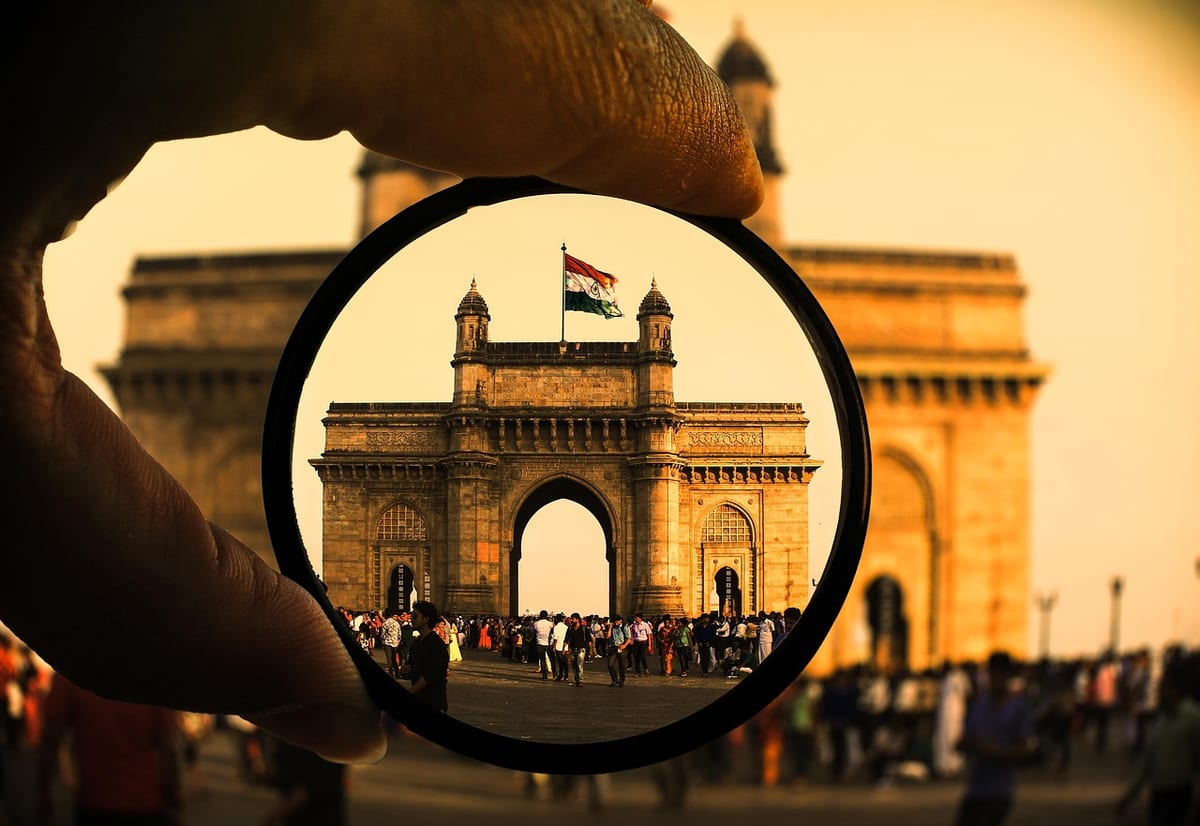
Mohan Bhagwat's Toronto address recasts India's role as a world teacher rather than a great power. The speech's soft-power logic aligns with New Delhi's humanitarian outreach and resonates with the Indian-origin diaspora amid cautious India-Canada ties.
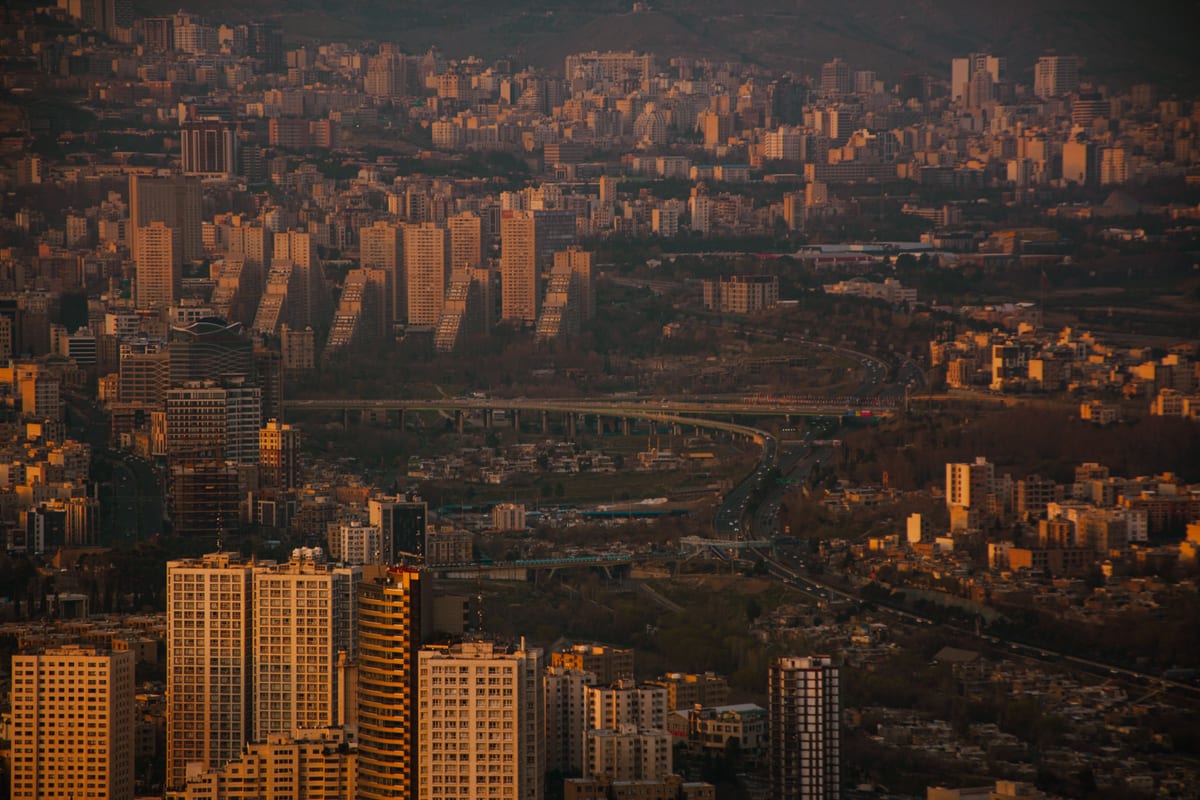
Iran launched missile strikes on US bases in Jordan after American forces hit Iranian rocket launchers near Larak island. The US Treasury is preparing weekly secondary sanctions on banks linked to Iran. The escalation threatens the Strait of Hormuz, India's primary crude corridor, and complicates New Delhi's strategic autonomy.
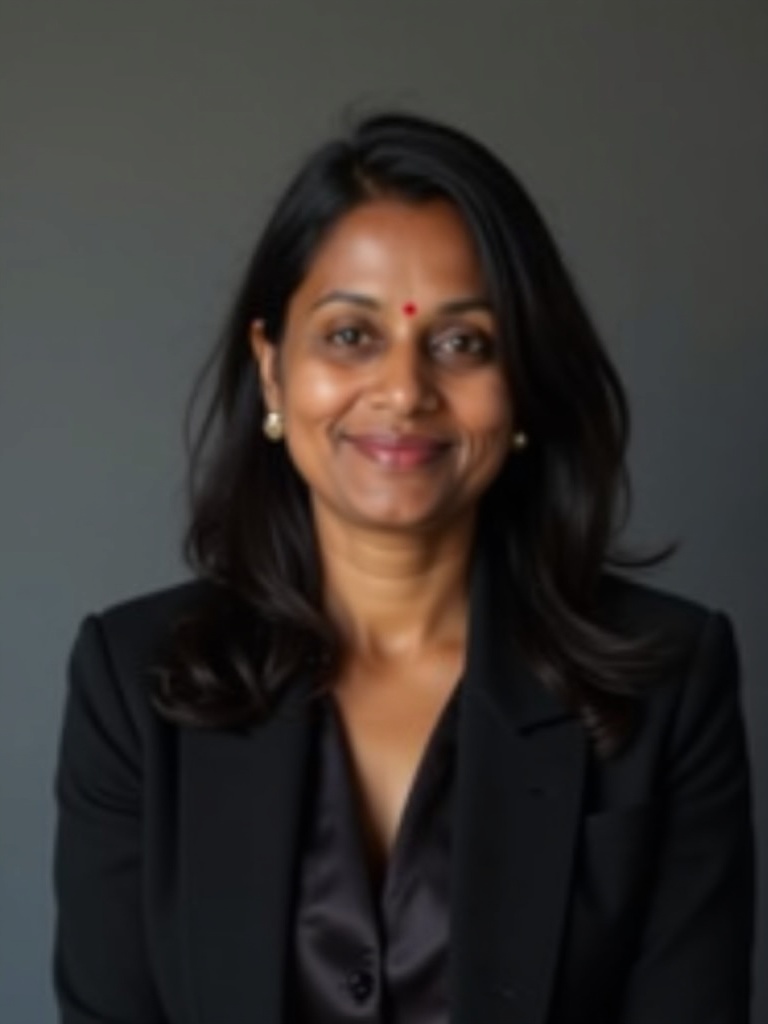
Editor-in-Chief
Aditi Ramachandran is the Editor-in-Chief of IndiaWorldEye. She leads the masthead's daily coverage of global affairs from an Indian vantage — reading the world's moving parts and what they mean for Bharat's rise. Her editorial line is unapologetically Indian: clear-eyed about the country's interests, confident about its civilisational trajectory, and insistent that India's voice belong at the centre of every global conversation it shapes.